


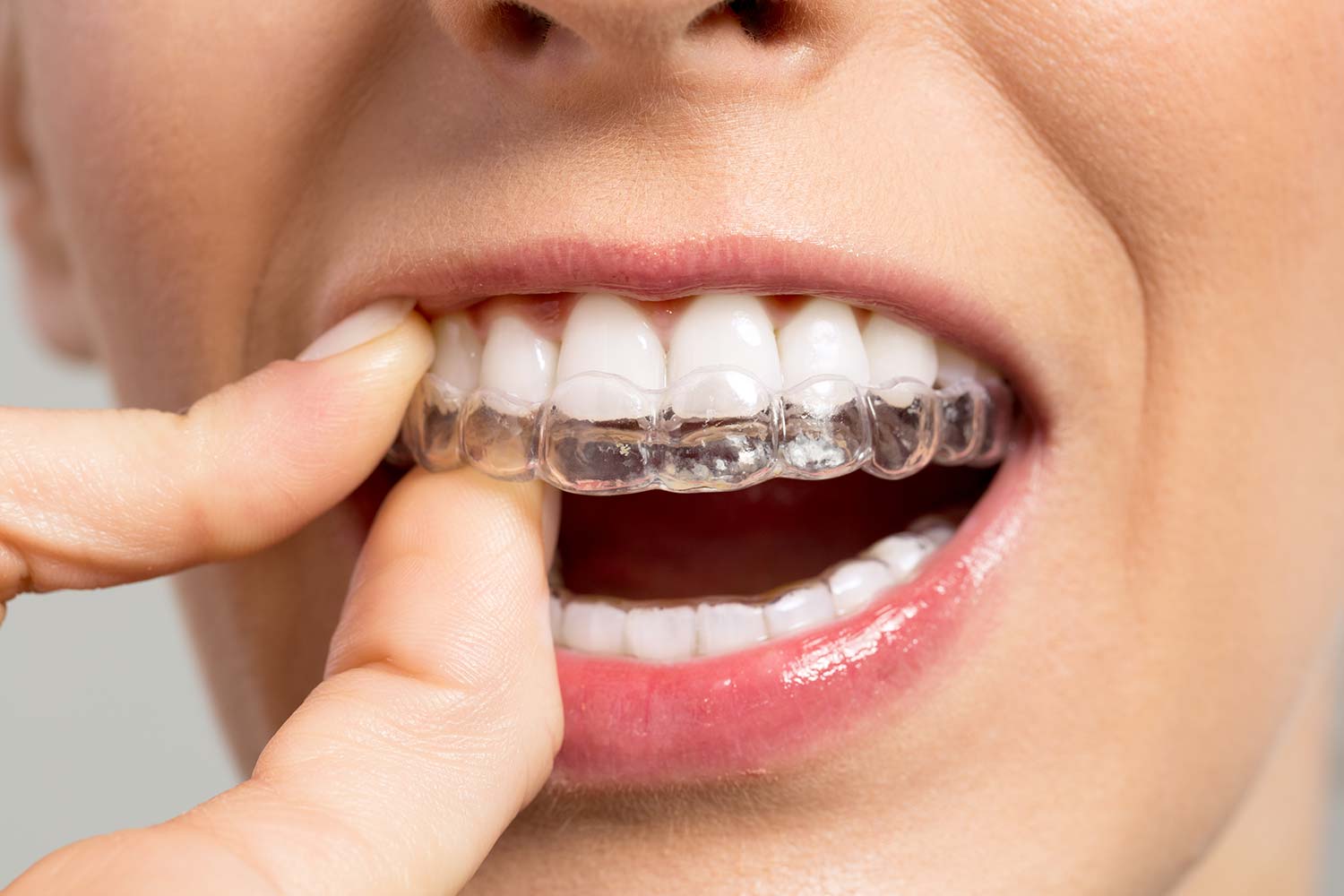
If you want to close gaps in your smile, braces for teeth gaps can be an effective solution. They gently guide your teeth into proper alignment, improving both function and appearance. You can choose from several options, including traditional metal braces and clear aligners, each designed to fit different needs and lifestyles while helping you achieve a healthy, confident smile.
What are The Causes of Teeth Gaps?
A tooth gap, also called a diastema, is simply a space between two teeth. While it often appears between the upper front teeth, it can develop anywhere in your smile. For many people, it is only a cosmetic concern and does not cause oral health problems. Diastema can affect both children and adults, although in children, the gap may close once their permanent teeth come in.
Causes of teeth gaps include:
- Genetics, since diastema often runs in families
- Missing teeth, which allows neighboring teeth to shift into the open space
- Teeth that are too small, often seen in children
- An oversized frenum, the tissue connecting your lip to your gums
- An abnormal swallowing reflex that places pressure on the front teeth
- Advanced gum disease
- Excessive thumb or pacifier sucking during childhood
- Abnormal oral growths, which are rare but possible
Issues Associated With Teeth Gaps
Most of the time, teeth gaps do not cause health problems. However, there are a few issues that may make you consider closing them with braces for teeth gaps.
Gum Health
When a gap leaves your gums exposed, they are less protected while you chew. Hard or crunchy foods like nuts, popcorn, chips, and pretzels can irritate or even injure the gum tissue between your teeth.
Dental Concerns
Gaps can make it easier for plaque to build up, which may lead to bad breath and other issues, such as tooth decay. In addition to that, periodontal disease is more likely to appear in unprotected gums. This disease can cause teeth to loosen and, in severe cases, fall out.
If your spaces are linked to gum disease, it is important to treat the infection first before closing the gaps with orthodontic care.
Aesthetics
For many people, the biggest concern with teeth gaps is how their smile looks. Even if gaps do not cause health issues, they can make you feel less confident about showing your smile.
Treatment Options
If you want to close a tooth gap, several effective treatments are available. Dr. Andy provides some of these treatments in Parma, Ohio.
Traditional Braces
Traditional or metal braces remain one of the most common and reliable ways to close a gap between teeth. They use small brackets attached to each tooth and a connecting wire that gradually moves the teeth together. Braces are an affordable and popular choice among our patients.
In some cases, your orthodontist may recommend power chains. These are placed over the wires to help speed up the process and make your treatment more effective.
Clear Braces
Clear braces, often called invisible braces, use a series of clear aligners to gently move your teeth into place. Because the aligners are transparent, most people will not notice you are wearing them, which many patients see as a big advantage. They are comfortable, and you can remove them during meals and while brushing or flossing.
Treatment usually takes about the same amount of time as traditional braces, although clear aligners can be a little more expensive.
Other Alternatives
Braces are not the only option if you want to close a tooth gap. Some cosmetic treatments can give you faster results, depending on your goals.
Veneers – Veneers are custom-made shells that fit over your existing teeth to instantly eliminate gaps. However, veneers require your natural teeth to be filed down, which removes enamel permanently. Since enamel does not grow back, veneers will always need to stay in place to protect the tooth underneath. Veneers may need replacement or polishing over time, and do not correct extensive teeth misalignment.
Cosmetic Bonding – Dental bonding uses a tooth-colored composite material to fill in smaller gaps. The material is sculpted directly between your teeth, creating a natural look without moving the teeth themselves. Bonding is convenient because it can often be done in a single visit with no discomfort or recovery time. The main limitation is durability, as dental bonding may require repairs over the years.
Choosing Your Braces for Teeth Gaps
The best way to choose the right treatment for a tooth gap is to meet with your orthodontist. Every case is unique, and together you can review the options that fit your specific needs. Available options also vary if the patient is a child or an adult.
Factors to consider include the size of your gap, the pros and cons of each type of treatment, your budget, and whether you want to correct full misalignment or focus only on cosmetic improvements.
Frequently Asked Questions
Here are some of the most common questions patients ask Dr. Andy about teeth gaps and braces.
Should Kids Get Braces to Fix Teeth Gaps?
In most cases, kids do not need braces right away to close a gap. These spaces often resolve on their own as baby teeth fall out and permanent teeth grow in.
Are Teeth Gaps Temporary?
A diastema usually does not go away on its own, except in children who are still losing baby teeth. Once adult teeth come in, gaps that remain often need orthodontic care to close.
How Much Do Braces Cost for Gapped Teeth?
The cost depends on your treatment options. Traditional braces are often the most effective and affordable solution, while clear braces may cost more.
Does Insurance Cover Tooth Gap Filling?
Insurance coverage varies from plan to plan. If the treatment is considered medically necessary, some insurance policies may cover part of the cost. It is always best to check with your insurer for the details of your plan.
At What Age Do Teeth Gaps Form?
Nearly half of children under the age of six have a gap between their front teeth. If the gap remains after adult teeth grow in, orthodontic treatment may be needed to close it.
Is It Painful to Fix a Tooth Gap?
Some discomfort is normal when braces are first applied, as your teeth and gums adjust to the appliance. The good news is that this usually eases as your mouth adapts.
How Long Will It Take Braces to Close a Tooth Gap?
Treatment time depends on several factors, including the size of your gap, the type of braces you choose, and how your teeth are positioned. Each case is different, so scheduling a consultation with your orthodontist will give you a more accurate answer.
How to Close Braces Gap Faster?
The best way to speed up your treatment is to follow your orthodontist’s instructions closely and attend every appointment. For patients with metal braces, power chains may also help shorten treatment time.
Schedule a Free Consultation
If you are ready to explore your options for closing a tooth gap, Dr. Andy is here to help. In Parma, Ohio, Dr. Andy provides the guidance and treatment you need for a healthy, confident smile. To schedule your free consultation, contact us online or give us a call at 440-842-8015 today.
